
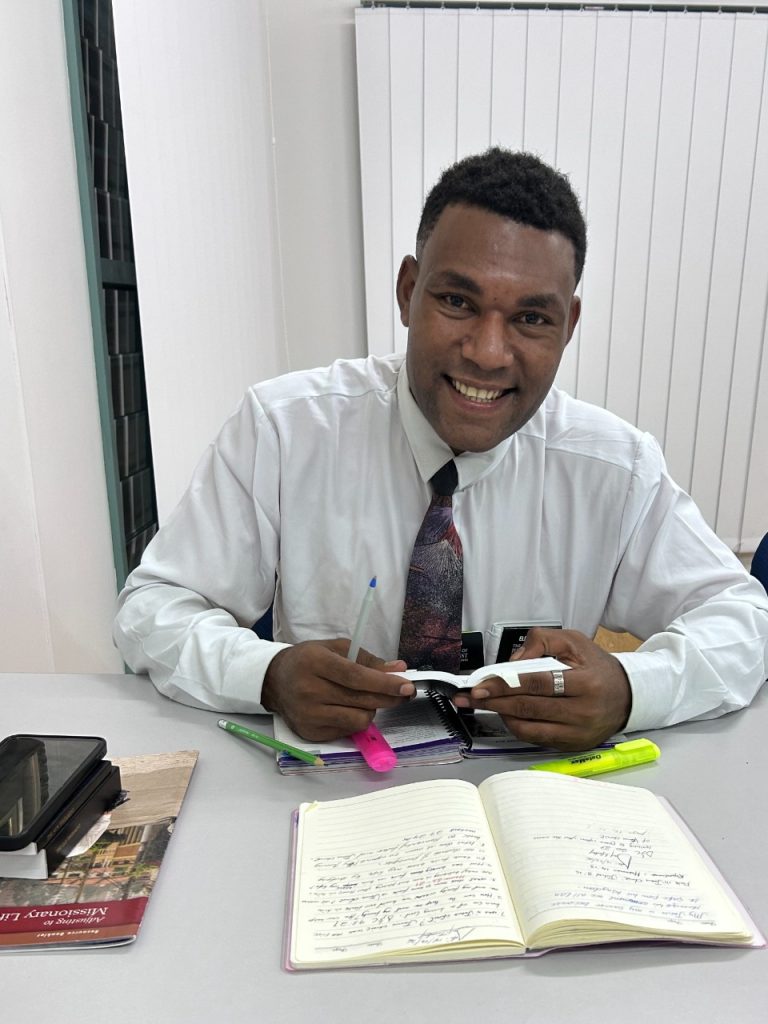
In Kuriva, missionary service has been shaped by decades of shared faith, practical sacrifice, and a community determined to help its young people.
A remote congregation in Papua New Guinea is helping send a remarkable group of young disciples into the world.
Fourteen young adults from the Kuriva Branch of The Church of Jesus Christ of Latter-day Saints have chosen to serve full-time missions. Their assignments include Papua New Guinea, Fiji, the Philippines, Tonga, New Zealand, and Ghana. The group includes missionaries already serving as well as young adults still preparing to leave.
The Kuriva Branch has approximately 285 members. Yet the most remarkable part of its story is not simply the number of missionaries coming from one relatively small congregation.
It is the way an entire community helps them get there.
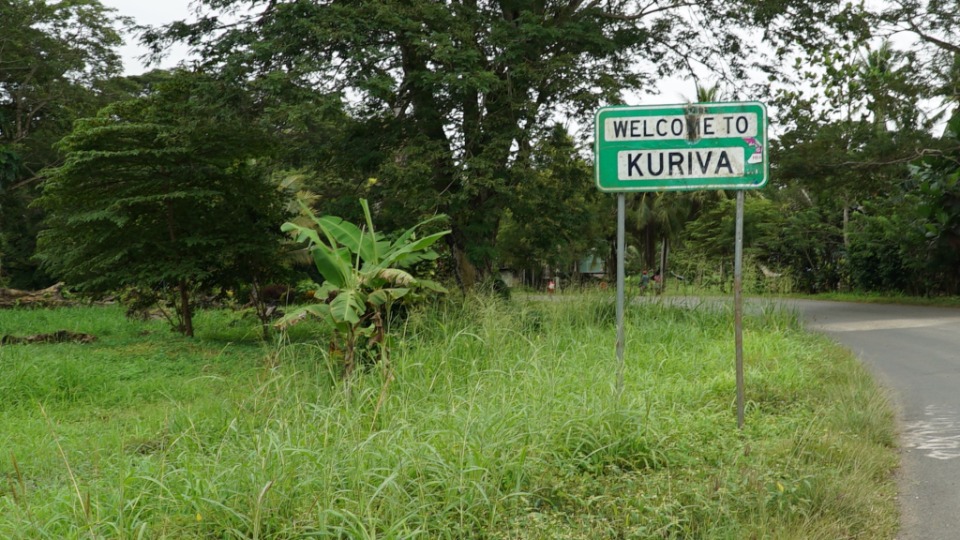
“We Help Everyone”
Preparing for missionary service can involve far more than completing an application or buying a suitcase. Young people may need help with education, medical requirements, travel, clothing, or other expenses. Some also need encouragement when the process becomes difficult.
In Kuriva, that responsibility does not rest only with each missionary’s immediate family.
Parents, local Church leaders, Relief Society sisters, extended families, and other branch members work together to support the young adults. Particular attention is given to children raised by widowed parents and those who lost parents at a young age.
Members sometimes sell produce from their gardens to help cover school or mission-related expenses. They also provide something less visible but equally important: consistent follow-up.
They ask the young adults what step comes next, what obstacle they are facing, and how the branch can help. That continued interest keeps some from giving up when challenges arise.
The approach can be summarized in the words of one local mother:
“We are not only helping our own children, we help everyone.”
Missionary service may begin with an individual decision, but in Kuriva, no young person is expected to prepare alone.
The First Missionary in His Family
Among the group is Elder Kimson Kim, who is serving in the Papua New Guinea Lae Mission.
He is the first person in his family to serve a full-time mission. His hope is not limited to completing his own service. He also wants other young people to put the Lord first and consider serving.
His experience reflects something larger happening in the branch. One person’s decision encourages another. Families learn from families. Young adults see friends move forward and begin to imagine that missionary service may be possible for them too.
That culture did not appear suddenly.
Its roots reach back to the earliest days of the Church in Kuriva.
A Place to Worship
In 1987, John Oii returned from Port Moresby to his home village of Kuriva after his son died from a snakebite.
During the traditional mourning period, Oii spoke with villagers about Joseph Smith, the angel Moroni, and the restored gospel of Jesus Christ. Interest grew, and missionaries were invited to teach while Oii helped interpret their message.
The people did not wait passively for the Church to provide everything they needed. Even before their baptisms, they wanted to pay tithing and fast offerings.
They also constructed a simple chapel with a roof made from coconut leaves. The building provided a place for a baptismal service involving 29 converts who had accepted the gospel.
Three months later, Elder James E. Faust of the Quorum of the Twelve Apostles visited the members in Kuriva. Impressed that the villagers had created a place of worship without assistance from the institutional Church, he dedicated the building to the service of the Lord.
The chapel was humble, but it revealed something that would continue to define the community: when the people of Kuriva believed something mattered, they worked together to make it possible.
From One Generation to the Next
Missionary service soon became part of that shared culture.
In 1990, the Kuriva Branch had approximately 75 members. By 1995, fifteen young people from the village—many of whom had been prepared through seminary — had already served full-time missions.
The young adults serving today are continuing a pattern established by earlier generations.
The first members created a place to worship. Parents and leaders taught the next generation. Returned missionaries provided examples for younger members. The branch gradually developed an environment in which serving a mission became not only an admirable idea, but an achievable goal.
That distinction matters.
Many young people may feel a desire to serve, but desire alone does not always remove practical obstacles. Kuriva’s example shows what can happen when a congregation combines spiritual encouragement with tangible help.
What a Small Branch Can Do
Kuriva’s story offers a lesson that reaches beyond one village.
A mission call is personal. The decision to serve belongs to the missionary. But behind that decision there is often a network of people who made the journey possible.
There may be parents who encouraged faith during uncertainty. Leaders who continued asking questions. Members who shared limited resources. Returned missionaries who showed younger people what service looks like. Friends who kept one another moving forward.
None of those actions may seem extraordinary on its own.
Together, however, they can create a culture that lasts across generations.
A small congregation may have limited resources, but it can still remove obstacles, strengthen expectations, and make sure that no willing young disciple has to prepare alone.
And when an entire branch helps its young people follow Christ, its influence can travel far beyond the village where their journey began.
Help Us Share More Meaningful LDS Stories
Stories like this take time to discover and tell. Support Jesus in Focus by becoming a Facebook subscriber and receive additional original Latter-day Saint stories and faith-centered content.
Become a SubscriberYour support helps us continue publishing thoughtful, faith-centered content.
Official current source: Pacific Newsroom, Fourteen Young People from Same Remote Congregation All Decide to Serve as Missionaries.
Historical sources: Church History, Faith and Initiative; Religious Studies Center at Brigham Young University, The Story Continues: The Latter-day Saints in the Pacific, 1984–2004.